Semi-solid vs lithium-polymer power banks: what buyers should know
Semi-solid cells replace most of the liquid electrolyte with a gel-like material. That brings real safety gains — and a few things the marketing leaves out.
Most magnetic power banks use lithium-polymer cells, which hold a liquid electrolyte in a soft pouch. A semi-solid cell replaces much of that liquid with a gel or partly solid electrolyte. It is still a lithium-ion battery, but it behaves differently under stress.
What actually improves
- Better thermal stability: less free liquid means less fuel if a cell is damaged or overheated.
- Lower leakage risk, which matters for thin magnetic packs that live in pockets and bags.
- A stronger safety story for retail listings and for buyers worried about battery fires.
What does not change
- It is still a lithium battery. Airline Wh limits, UN38.3 transport tests and shipping rules apply in exactly the same way.
- Capacity per gram is similar to a good polymer cell in today's consumer packs, so do not expect a much smaller power bank.
- Safety still depends on the protection circuit, the cell supplier and the assembly quality.
| Lithium-polymer | Semi-solid | |
|---|---|---|
| Electrolyte | Liquid in a pouch | Gel or partly solid |
| Thermal stability | Good with proper protection | Better |
| Cost | Lower | Higher |
| Airline / UN38.3 rules | Apply | Apply |
Questions to ask your supplier
- Who makes the cell, and can you see the cell datasheet?
- What is the rated cycle life, and at what temperature was it tested?
- Can you supply the UN38.3 summary and an IEC 62133-2 report for this pack?
- Is the Wh rating printed on the housing?
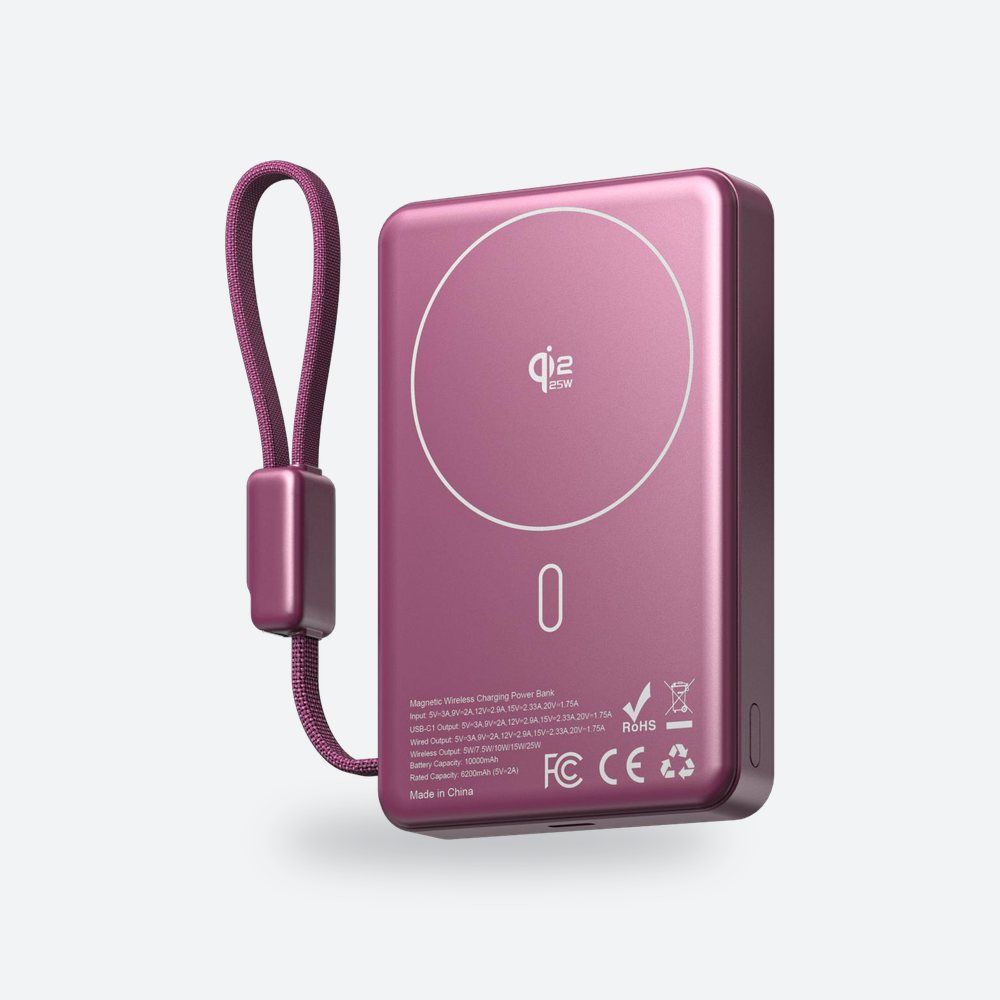
Our S58 and S54 magnetic power banks use 10,000 mAh semi-solid cells, and every cell has a UN38.3 transport test report.
How to check a semi-solid claim on a sample
- Ask for the cell maker's datasheet and check that it names the electrolyte type.
- Compare weight and capacity with a polymer pack of the same mAh.
- Run a full charge and discharge, and record the surface temperature at the end.
- Check that the UN38.3 test summary names the same cell model as the datasheet.
When semi-solid is worth the extra cost
For slim magnetic packs that sit against a phone all day, and for brands selling on marketplaces where one battery incident can sink a listing, the extra cost is usually worth it. For low-price promotional power banks it may not be. Our S58 and S54 use semi-solid cells; see the magnetic power bank line for the rest of the range.